Master Flat Pouch Construction: Canterbury Zipper Pattern
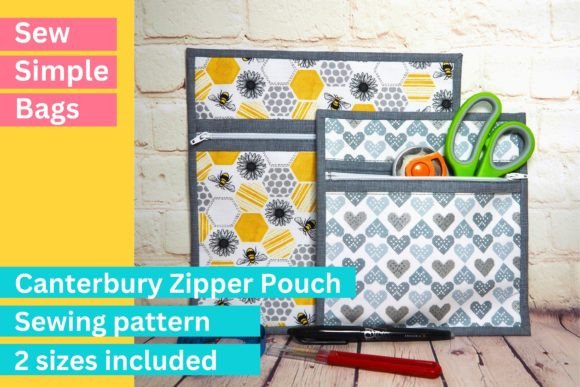
If you have ever struggled with the bulk of boxed corners or the frustration of trying to turn a tiny bag right-side out, the Canterbury Zipper Pouch Pattern offers a refreshing change of pace. This isn’t just another bag tutorial; it is a study in precision and finishing techniques that elevate a simple project into a professional-grade accessory. Designed to create two distinct sizes, this flat zipper bag is ideal for organizing sewing notions, storing pens and pencils, or acting as a sleek carrier for small cosmetics. The defining characteristic of the Canterbury design is its architectural approach to construction—specifically, the bound edges and the bound zipper application that eliminate the need for turning the bag inside out.
The Art of Bound Finishes in Bag Making
In the world of sewing and design, the details are what separate an amateur effort from a polished product. The Canterbury Zipper Pouch Pattern focuses heavily on the technique of binding. For many sewists, binding can be intimidating, but this pattern treats it as a core design element rather than just a functional necessity. The visual result is a flat, structured pouch where the construction method becomes part of the aesthetic. By binding the edges, you create a durable rim that withstands daily use, while the bound zipper application ensures a clean, tailored look without the bulk often associated with zipper tabs.
From a design perspective, the flat construction of the Canterbury pouch is visually distinct. It avoids the "puffy" look of quilted pouches, offering instead a sleek, modern silhouette that aligns well with contemporary graphic design principles. Think of it in terms of typography: just as a serif font conveys tradition and reliability, the structured lines of the Canterbury pouch convey order and precision. It is a practical application of modern typography concepts applied to physical goods—clean lines, intentional spacing, and a focus on legibility (or in this case, accessibility of contents).
Practical Applications for Creative Professionals
For the entrepreneur, blogger, or content creator, the utility of the Canterbury Zipper Pouch extends far beyond the sewing room. Consider the visual consistency required in brand identity. A set of these pouches, sewn in fabrics that match your brand’s color palette, can serve as cohesive props for flat-lay photography or social media graphics. They provide a neutral, high-quality container that doesn’t distract from the product you are showcasing. Much like choosing a sans serif font for its clarity on digital screens, choosing a flat, structured pouch ensures your background props look uncluttered and professional.
- Sewing Room Storage: The smaller size is perfect for housing rotary cutter blades, marking pens, or bobbins, keeping your workspace visually calm.
- Stationery & Office: Use the larger size to store charging cables, USB drives, or premium pens. The flat profile slides easily into a laptop bag or briefcase.
- Cosmetics & Travel: Ideal for flat items like eyeshadow palettes, brushes, or toiletries that need to stay organized within a larger suitcase.
The pattern comes with a full video tutorial, which is an invaluable design asset for visual learners. Just as a premium font often comes with a variety of weights and styles to ensure versatility, this pattern includes detailed written instructions alongside the visual guide. This dual-format approach mirrors best practices in web design and editorial design, where accessibility and multiple modes of consumption are key to user engagement.
Constructing the Canterbury: A Lesson in Precision
The skill level for the Canterbury Zipper Pouch Pattern is listed as "Confident Beginner and above," which is a sweet spot for those looking to expand their technical repertoire. The challenge lies not in complex machinery, but in the accuracy of the seam allowance. This is where the concept of "kerning" in design translates to sewing; just as letters must be spaced correctly to be readable, your seams must be consistent for the binding to lie flat.
The "no turning" construction method is a significant advantage for makers producing items for markets or gifts. It reduces the risk of distorting the shape of the bag and eliminates the need for a gap in the lining that must be hand-stitched closed. This efficiency mirrors the workflow of a graphic designer optimizing a file for print—it’s about clean output with minimal waste. The bound zipper, in particular, offers a sophisticated finish that looks difficult but is surprisingly achievable with the right guidance.
Visual Hierarchy and Material Choices
When constructing your Canterbury pouch, consider the principles of visual hierarchy. The zipper and the binding represent the "display" elements of the bag. Much like a script font or a handwritten font is used sparingly to draw attention, your binding fabric can be a contrasting color or a bold pattern to frame the main body of the pouch. The main body fabric acts as the "body copy"—steady, reliable, and supportive.
This pattern is an excellent opportunity to experiment with different material weights. A canvas or denim body paired with a cotton binding creates a tactile contrast that adds perceived value to the item. This is a strategy often used in packaging design and logo design, where texture and material choice influence brand perception. A well-made Canterbury pouch suggests that the owner values organization and aesthetics, much like a well-chosen typeface suggests a brand cares about communication.
Final Thoughts on the Pattern’s Versatility
The Canterbury Zipper Pouch Pattern is more than a set of instructions; it is a framework for creating functional art. Whether you are a small business owner looking to create branded merchandise, a hobbyist aiming to declutter your studio, or a marketer seeking unique content props, the versatility of these two sizes is unmatched. The flat design ensures they are stackable and easy to ship, which is a logistical benefit that cannot be overstated.
By mastering the techniques in this pattern—specifically the bound edges and flat construction—you gain skills that transfer to other areas of textile work. It encourages a mindset of precision and finishing, reminding us that the edges of a project (or a design) are just as important as the center. Like a perfectly kerned headline or a balanced font pairing, the Canterbury pouch is a small object that makes a big impact on the orderliness of your daily life.